


First published: 9 September 2024
As a landlord in Northern Virginia, understanding your responsibilities is essential for keeping your rental property safe, habitable, and legally compliant.
Maintaining your property protects your investment, ensures tenant satisfaction, and reduces the likelihood of disputes.
This guide outlines your landlord maintenance responsibilities, strategies for rental property maintenance, and practical tips for handling tenant requests efficiently.
For in-depth legal guidance, refer to the Virginia Residential Landlord and Tenant Act.
10 Key Landlord Maintenance Responsibilities
Virginia law requires landlords to maintain properties in a condition fit for human habitation. Below are the essential areas of responsibility:1. Heating
The landlord must provide adequate heating. If the heating system fails completely, repairs must begin within 24 hours of receiving notice. For partial malfunctions, repairs should be completed within 48 hours. Adequate heating is vital to tenant safety, particularly during Northern Virginia’s colder months.2. Plumbing
Proper plumbing is critical, especially if the unit has only one bathroom. Landlords are required to address plumbing issues promptly, typically within 24 hours of notice for urgent matters like leaks and clogs that impact habitability.Related Reading: Things to Check Before You Call Maintenance
3. Electrical Systems
All electrical wiring, outlets, and fixtures must be safe and fully functional. Faulty wiring can lead to fires or injuries, so ensuring your electrical system meets code and is regularly inspected is part of your landlord’s maintenance responsibilities. Note: You must provide advance notice to tenants that you will be entering their home before entering the rental property at any time. Only in an emergency, such as a fire or flood, can a landlord legally enter a residence without advance notice.4. Running Water
Tenants must always have access to safe drinking water and a reasonable supply of hot water. Interruptions to water service must be addressed promptly.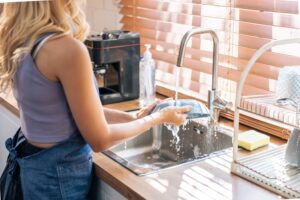
5. Ventilation and Air-Conditioning
Proper ventilation is required to maintain indoor air quality. If provided, air conditioning systems must be operational and safe. Maintaining these systems helps prevent moisture accumulation and reduces the risk of mold growth.6. Trash Removal
Landlords must provide trash receptacles and ensure regular trash collection. In multi-unit buildings, this may include maintaining dumpsters or coordinating municipal waste services. In a single-family home, townhome, or condominium, the trash is usually included in the homeowners’ association you are already paying for. If it’s not, then you can specify in the lease that the tenant is responsible for hiring a trash removal company if they choose.7. Common Areas
For multi-unit properties, landlords are responsible for keeping common areas clean, safe, and structurally sound. This includes hallways, stairwells, lobbies, and shared facilities.8. Mold
You must maintain the property to prevent the accumulation of moisture and the growth of mold. If there is visible evidence of mold, the landlord has to provide “mold remediation in accordance with professional standards.” In Northern Virginia, there is a statute on the duty of the landlord and managing agent with respect to visible mold.9. Door and Window Locks and Peepholes
You are required to provide door and window locks on any single-family dwelling. If you have a multi-family building, you must install deadbolt locks and peepholes in any exterior swinging entrance door. Security measures help ensure tenant safety and reduce liability.10. Television and Communication Access
While landlords are not required to provide cable or satellite services, tenants must have access to these options. This could involve ensuring coaxial wiring or providing access points for internet and TV services.Related Reading: A Rental Safety & Maintenance Checklist for Landlords in Fairfax, Virginia — And Beyond!
Top Tips for Managing Maintenance Requests Efficiently
Managing maintenance efficiently is vital for compliance and tenant satisfaction. Here are some tips:- Create a system for requests: encourage tenants to submit maintenance issues in writing through email, a portal, or an online form.
- Prioritize urgent repairs: issues that impact safety or habitability, such as heating, plumbing, or electrical failures, should be addressed immediately.
- Keep records: document all maintenance requests, communications, and repairs. This protects you in case of disputes.
- Hire trusted contractors: for specialized repairs, work with licensed and insured professionals to ensure quality work.
- Use property management software: these tools can help track requests, schedule inspections, and maintain compliance.
Related Reading: Northern VA Property Management: The RPM Pros Method
How Real Property Management Pros Can Help
Managing rental property maintenance and staying on top of Northern Virginia landlord responsibilities can be complex. Real Property Management Pros helps landlords by providing thorough inspections, timely repairs, and professional contractor coordination. We also manage tenant communications, maintenance tracking, and compliance with all Northern Virginia housing laws. With our expertise, landlords can focus on investment growth while knowing maintenance obligations are handled efficiently and correctly.
Landlord Maintenance FAQs
1. What are the landlord’s maintenance responsibilities?
Landlord maintenance responsibilities include keeping the rental property safe, habitable, and compliant with Virginia law. This covers essential systems such as heating, plumbing, electrical, ventilation, water supply, security features, trash removal, and common areas. Landlords are also responsible for preventing mold and ensuring access to communication services. Clear maintenance duties should be outlined in the lease agreement.2. How do landlords prevent mold in rental homes?
Preventing mold involves proactive moisture control and regular inspections. You should:- Fix leaks promptly in plumbing, roofing, or windows
- Ensure proper ventilation in bathrooms, kitchens, and laundry areas
- Regularly service HVAC systems
- Educate tenants to report moisture issues immediately
- Use professional mold remediation services if visible mold appears.
3. How can I manage maintenance requests efficiently?
Efficient management involves creating a quick and easy process for tenants to report issues, prioritize urgent repairs, and keep detailed records. Using property management software or hiring a property manager can help track requests, schedule repairs, and maintain compliance with legal obligations. Working with licensed contractors ensures quality and timely repairs.4. What maintenance issues must landlords fix promptly?
Urgent maintenance issues include:- Heating failures during cold weather
- Major plumbing problems, such as burst pipes or sewage backups
- Electrical hazards or outages
- Water leaks that could cause damage or mold
- Structural hazards in common areas of multi-unit properties.
5. What does maintenance compliance mean for landlords?
Maintenance compliance means fulfilling all legal responsibilities under Virginia law. This includes responding promptly to repair requests, providing habitable living conditions, documenting maintenance actions, and following proper procedures for inspections and tenant communication. Non-compliance can lead to legal action, fines, or disputes with tenants.6. How can I prevent maintenance issues before they arise?
Preventive maintenance reduces costly repairs and keeps tenants happy. Key measures include:- Regular inspections: Schedule inspections with proper notice to identify potential issues early.
- Routine servicing: HVAC, plumbing, and electrical systems should be serviced periodically.
- Moisture control: check for leaks, proper ventilation, and water intrusion to prevent mold.
- Tenant education: encourage tenants to report minor issues promptly before they become bigger problems.